Introduction
Maintaining balance is something most people take for granted until dizziness, vertigo, or instability begins to interfere with everyday activities. The vestibular system, located within the inner ear, plays a critical role in maintaining balance, coordinating movement, and helping the body understand its position in space. When this system becomes impaired due to injury, illness, aging, or neurological conditions, individuals may experience dizziness, balance problems, motion sensitivity, and an increased risk of falls.
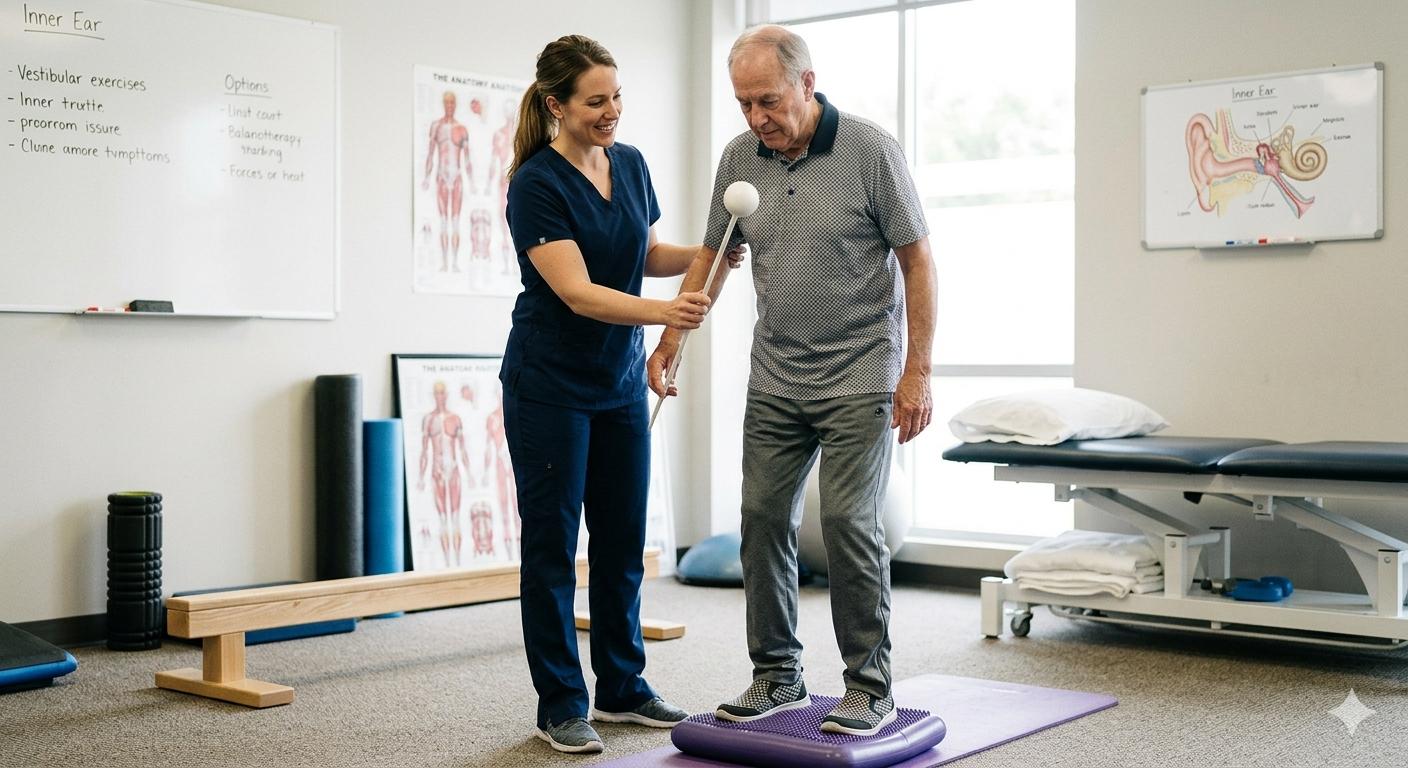
Vestibular Rehabilitation Therapy (VRT) is a specialized form of physical rehabilitation designed to address disorders affecting the vestibular system. Through customized exercises and evidence-based treatment approaches, vestibular rehabilitation helps patients reduce symptoms, improve balance, regain mobility, and return to daily activities with greater confidence.
Whether symptoms arise from inner ear disorders, neurological conditions, concussion, or age-related balance issues, vestibular rehabilitation offers a safe and effective pathway toward recovery and improved quality of life.
What is Vestibular Rehabilitation Therapy?
Vestibular Rehabilitation Therapy is a specialized exercise-based treatment program developed to alleviate symptoms associated with vestibular disorders. The therapy aims to retrain the brain and nervous system to compensate for abnormalities in the inner ear or vestibular pathways.
The vestibular system works closely with the eyes, muscles, joints, and brain to maintain balance and spatial orientation. When one or more parts of this system are disrupted, communication becomes impaired, resulting in dizziness, vertigo, imbalance, and coordination difficulties.
Vestibular rehabilitation uses carefully designed exercises to help the brain adapt and compensate for these changes, ultimately reducing symptoms and improving function.
Signs You May Need Vestibular Rehabilitation
Individuals experiencing the following symptoms may benefit from professional vestibular assessment:
- Frequent dizziness
- Vertigo episodes
- Feeling unsteady while walking
- Motion sickness
- Loss of balance
- Difficulty focusing while moving
- Recurrent falls
- Lightheadedness
- Visual disturbances
- Fear of movement due to dizziness
Early intervention can significantly improve outcomes and prevent complications.
Comprehensive Vestibular Assessment
Every rehabilitation program begins with a detailed evaluation to identify the cause and severity of symptoms.
The assessment may include:
Medical History Review
Understanding symptoms, triggers, medical conditions, and previous treatments.
Balance Evaluation
Assessing posture, gait, and stability.
Eye Movement Testing
Evaluating coordination between eye and head movements.
Vestibular Function Assessment
Examining how the inner ear and nervous system respond to movement.
Functional Mobility Assessment
Determining how symptoms affect daily activities.
The findings help clinicians develop personalized treatment plans tailored to each patient's needs.